


In-kind donations represent a unique and invaluable form of support for nonprofits, transcending the traditional monetary contributions that many organizations rely upon. These donations encompass a wide array of goods and services provided to nonprofits without any expectation of financial compensation. Unlike cash donations, in-kind contributions can include anything from food and clothing to professional services such as legal advice or marketing expertise.
This form of giving not only helps organizations meet their operational needs but also fosters a sense of community engagement and collaboration, as donors often become more personally invested in the missions of the nonprofits they support. The significance of in-kind donations extends beyond mere material support; they embody a spirit of generosity that can inspire others to contribute in similar ways. For many nonprofits, especially those operating on tight budgets, in-kind donations can be a lifeline, allowing them to allocate their limited financial resources toward other critical areas such as program development or outreach efforts.
Furthermore, these contributions can enhance the overall effectiveness of an organization by providing access to resources that may otherwise be unattainable. As such, understanding the nuances of in-kind donations is essential for both nonprofits and potential donors, as it opens up new avenues for collaboration and impact.
Key Takeaways
- In-kind donations refer to non-monetary contributions of goods, services, or time to a nonprofit organization.
- Types of in-kind donations include tangible goods, professional services, and volunteer time.
- Nonprofits benefit from in-kind donations by reducing expenses, expanding their capacity, and building relationships with donors.
- Nonprofits utilize in-kind donations for program support, fundraising events, and operational needs.
- Challenges for nonprofits include managing logistics, assessing the value of donations, and maintaining donor relationships.
- Individuals and businesses can make in-kind donations by offering goods, services, or volunteer time to nonprofits in need.
Types of In-Kind Donations
The spectrum of in-kind donations is vast, encompassing a multitude of categories that cater to the diverse needs of nonprofits. One of the most common types includes tangible goods, which can range from food items and clothing to office supplies and furniture. For instance, food banks often rely on in-kind donations from local grocery stores or farms to stock their shelves and provide nutritious meals to those in need.
Similarly, shelters may receive clothing and hygiene products from individuals or businesses looking to support vulnerable populations. These tangible goods not only fulfill immediate needs but also help create a sense of dignity for recipients, reinforcing the importance of quality in charitable giving. In addition to physical items, in-kind donations can also take the form of professional services.
Many nonprofits benefit from the expertise of volunteers who offer their skills in areas such as legal counsel, graphic design, or marketing strategy. This type of support can be particularly valuable for organizations that may not have the budget to hire full-time staff for specialized roles. By leveraging the talents of community members, nonprofits can enhance their operational capacity and improve their overall effectiveness.
Furthermore, these professional services often come with a personal touch, as volunteers are typically motivated by a genuine desire to make a difference, fostering a deeper connection between the donor and the organization.
Benefits of In-Kind Donations for Nonprofits

The advantages of in-kind donations for nonprofits are manifold, significantly enhancing their ability to fulfill their missions and serve their communities. One primary benefit is the reduction in operational costs. By receiving goods and services at no charge, organizations can allocate their financial resources more strategically, focusing on program development, outreach initiatives, or capacity building.
This financial flexibility is particularly crucial for smaller nonprofits that may struggle to secure consistent funding. In-kind donations thus serve as a vital resource that enables these organizations to maintain their programs and expand their reach without incurring additional expenses. Moreover, in-kind donations can foster community engagement and strengthen relationships between nonprofits and their supporters.
When individuals or businesses contribute goods or services, they often feel a sense of ownership and pride in the organization’s mission. This connection can lead to increased volunteerism and advocacy, as donors become more invested in the success of the nonprofit. Additionally, in-kind contributions can enhance an organization’s visibility within the community, attracting new supporters who may be inspired by the collaborative spirit of giving.
Ultimately, these benefits create a ripple effect that not only bolsters the nonprofit’s operations but also cultivates a culture of philanthropy within the community.
How Nonprofits Utilize In-Kind Donations
Nonprofits employ in-kind donations in various ways to maximize their impact and ensure that they are meeting the needs of their constituents effectively. One common approach is integrating these contributions into existing programs or services. For example, a nonprofit focused on education might receive donated school supplies that can be distributed to students in need, thereby enhancing their learning experience without straining the organization’s budget.
Similarly, a health-focused nonprofit may utilize donated medical supplies or equipment to provide essential services to underserved populations. By strategically incorporating in-kind donations into their programs, nonprofits can amplify their reach and effectiveness while maintaining fiscal responsibility. In addition to direct program support, nonprofits often leverage in-kind donations for fundraising efforts and community events.
Donated items can be used as auction prizes or raffle items during fundraising galas, creating an enticing incentive for attendees to contribute financially. Furthermore, organizations may host events that showcase their mission while simultaneously collecting in-kind contributions from attendees. This dual approach not only raises awareness about the nonprofit’s work but also encourages community members to engage with the organization on multiple levels.
By utilizing in-kind donations creatively, nonprofits can enhance their visibility and foster a sense of community involvement that is essential for long-term sustainability.
Challenges and Considerations for Nonprofits
While in-kind donations offer numerous benefits, they also present certain challenges that nonprofits must navigate carefully. One significant concern is the potential mismatch between what is donated and what is actually needed by the organization. For instance, a nonprofit may receive an abundance of clothing donations but lack the resources or infrastructure to sort, store, or distribute these items effectively.
This situation can lead to logistical challenges and wasted resources if not managed properly. Therefore, it is crucial for nonprofits to establish clear communication channels with potential donors to ensure that contributions align with their specific needs and capacities. Another challenge lies in the valuation and reporting of in-kind donations for financial transparency and accountability purposes.
Nonprofits are often required to report both cash and non-cash contributions for grant applications or tax purposes. Accurately valuing in-kind donations can be complex, as it involves determining fair market value for goods and services received. Additionally, organizations must maintain thorough records of these contributions to comply with regulatory requirements and demonstrate their impact to stakeholders.
As such, nonprofits must develop robust systems for tracking and reporting in-kind donations while also educating staff and volunteers about best practices in this area.
How Individuals and Businesses Can Make In-Kind Donations
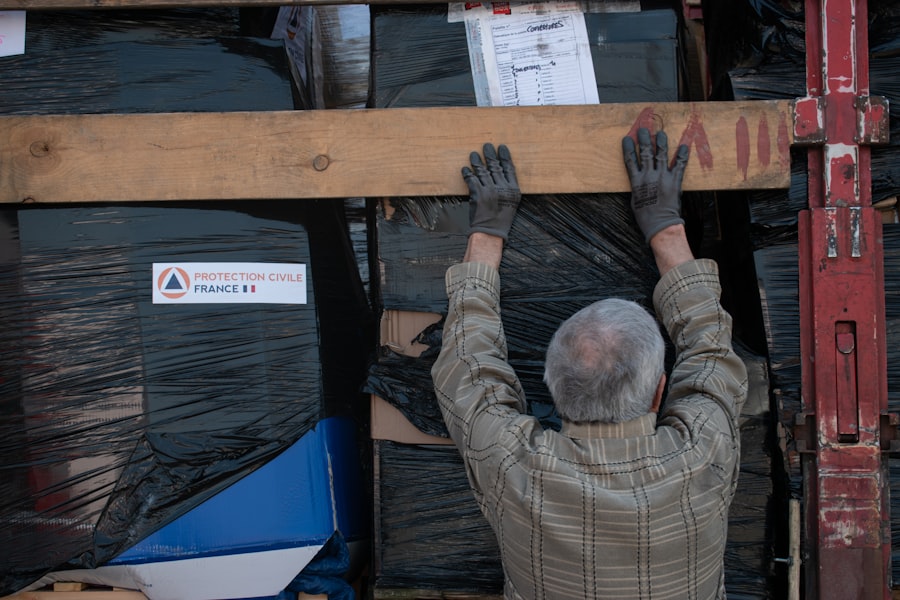
Exploring In-Kind Donations for Individuals
Individuals looking to make a positive impact in their communities can start by assessing their personal belongings and identifying items that are no longer needed. Clothing, household goods, books, and toys can be donated directly to local charities or thrift stores that support various causes. This simple act of giving can make a significant difference in the lives of those in need.
Leveraging Specialized Skills for a Greater Cause
Individuals with specialized skills, such as graphic design, accounting, or legal expertise, can offer their services pro bono to nonprofits that may benefit from their knowledge but lack the budget for such assistance. This type of contribution not only helps organizations thrive but also allows individuals to engage with causes they are passionate about. By sharing their skills, individuals can make a meaningful impact and contribute to the success of nonprofit organizations.
Corporate Social Responsibility through In-Kind Donations
For businesses, making in-kind donations can be a powerful way to demonstrate corporate social responsibility while enhancing brand visibility within the community. Companies can donate products or services directly related to their industry, such as a restaurant providing meals for a local shelter or a printing company offering free marketing materials for a nonprofit event. Additionally, businesses can encourage employee volunteerism by allowing staff members to use work hours for volunteering or by matching employee contributions with corporate support. By fostering a culture of giving within the workplace, businesses can contribute positively to society while strengthening employee morale and loyalty through shared values and community engagement.
The Power of In-Kind Donations in Building a Stronger Community
In conclusion, understanding in-kind donations is essential for both nonprofits and potential donors alike. By recognizing the various types of contributions available and the benefits they provide, individuals and businesses can play an integral role in supporting nonprofit organizations while fostering a sense of community engagement that enriches society as a whole.
In the context of nonprofit operations, understanding the various types of donations, including “in-kind” contributions, is crucial for effective resource management. An “in-kind” donation refers to non-monetary gifts provided to organizations, such as goods, services, or time, rather than cash. Nonprofits often rely on these types of donations to meet their operational needs without spending their financial resources. For those interested in exploring further about how specific grants can support nonprofits, including potentially through in-kind contributions, the 2024 Support Latino Business Impact Fund Grants offers insights into funding opportunities that could include in-kind support, enhancing the capabilities of Latino-owned businesses through various forms of assistance.
FAQs
What is an “in-kind” donation?
An “in-kind” donation refers to a non-monetary contribution made to a nonprofit organization. This can include goods, services, or time provided by individuals or businesses.
How do nonprofits use in-kind donations?
Nonprofits use in-kind donations to support their programs and services. These donations can include items such as food, clothing, office supplies, and equipment, as well as pro bono services such as legal or accounting assistance. Nonprofits may also use in-kind donations to support fundraising events or to offset operational costs.


